Canopy care & form
- Dead-limb removal and crown cleansing for safety
- Crown thinning and raising for daylight and headroom
- Early training cuts for juvenile specimens
Tree Trimming & Plant Care
Structural shaping, deadwood clearing and seasonal bed care from growers who read how trees develop — never lopped, never spoiled, always left neat.
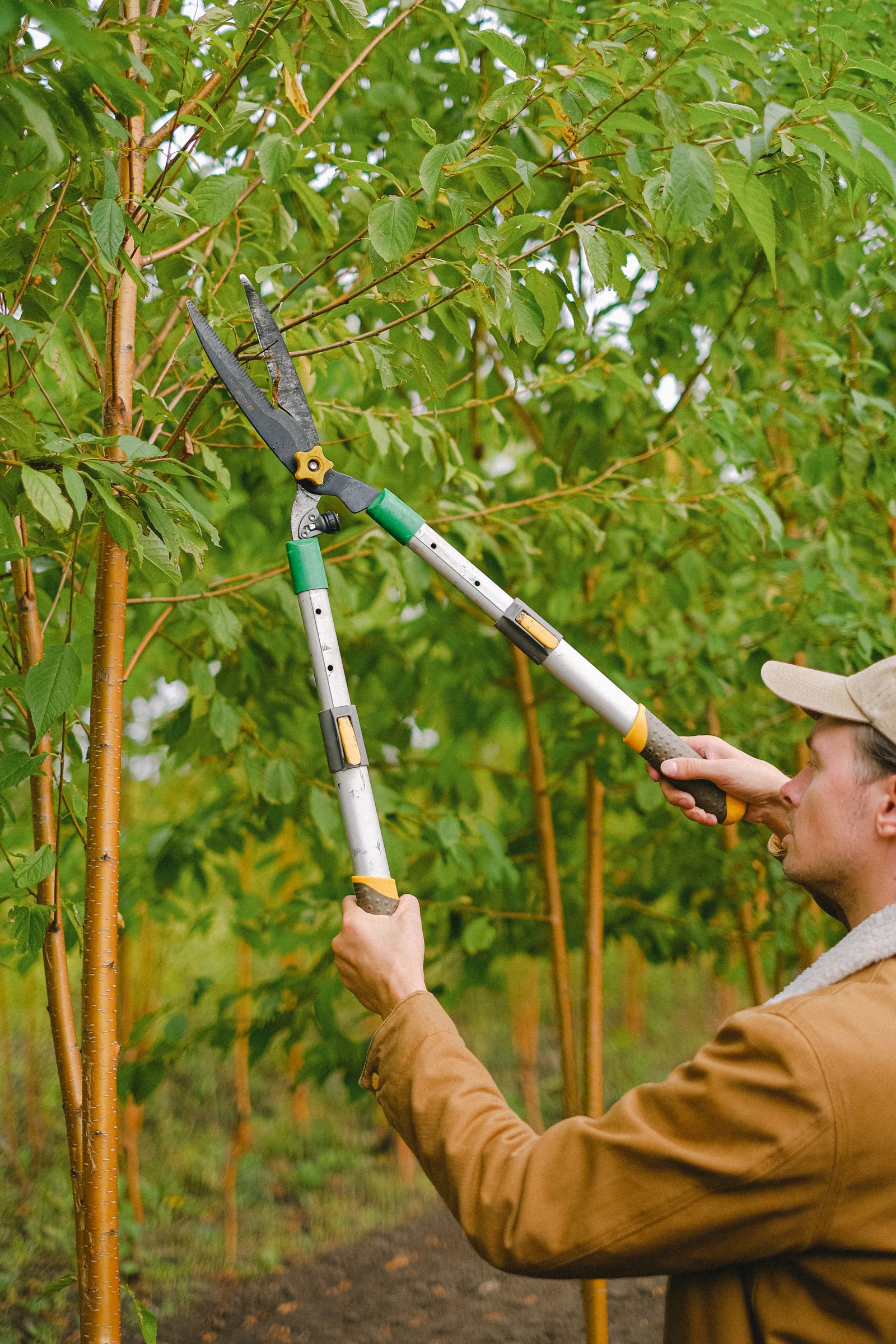
Each incision serves a purpose: daylight into the crown, airflow against ailment, headroom above walks and roofs, plus a silhouette that fits the variety. We open with a thorough vitality review — bark, branch forks, dead limbs, pests and fungi — then shape to recognised best practice, returning to sound buds so wounds close tidily.
Past trees, our bed rounds keep shrubs, roses, climbers and perennials nourished, mulched, tied and faded-heads removed across the months, so displays stay generous and blooming far longer.

We weigh variety, vigour and safe reach, then agree tasks in plain terms.
Tidy cuts to live buds, roped lowering as needed, turf shielded throughout.
Clippings chipped or carted, walks swept and beds left orderly.
Feeding, mulching and a nudge when the next trim falls due.
It hinges on variety. Most ornamentals favour late winter dormancy; spring bloomers just after flowering; hedges in late summer. We book each specimen for its prime window.
Proper shaping lengthens a tree's vigour and life. We return to living buds, leave no snags, and never lop crowns — a habit that invites rot and frail regrowth.
Where a tree is lifeless, hazardous or harming masonry, yes — via careful sectional takedown with stump choices. Where shaping can rescue it, we will always urge that route first.
Every time. Brush is shredded on site where workable, logs may remain for your fire pit if wished, and the balance leaves for composting or recycling.